
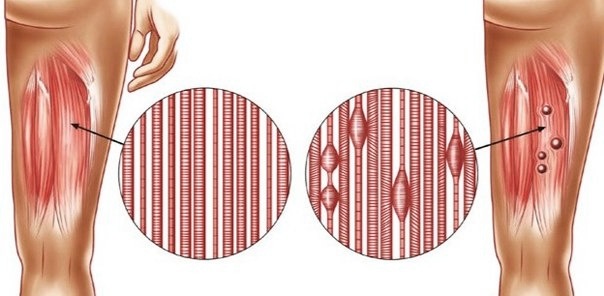

What are trigger points? What is the muscle knot and why they occur?
A trigger point (muscle knot) is a “hyperirritable spot in skeletal muscle.” These sensitive points of tissue are often associated with palpable nodules in muscle fibres and when compressed elicit referred pain, local tenderness or a twitch response[1]. That means a tigger point (muscle knot) is a grumpy little spot in the taut band of the muscle tissue that hurts when you press on it.
How do they develop?
Trigger points (muscle knots) develop as a result of muscular injuries, strains, and trauma. When muscle fibres, fascia, ligaments, or tendons become weakened, overstretched, or inflamed, tiny tears in the associated soft tissue can occur. As the tissue heals it contracts, becoming twisted and knotted. These knotted fibres restrict the fresh blood supply needed by the muscle cells. Additionally, there may also be associated adhesions and thickening of the muscle fibres to protect itself from further injury.
Moreover, structural imbalances, improper body mechanics, poor nutrition and psychological or emotional stress, toxicity (medications and environmental exposure) are all factors. In effect, the muscle learns to avoid pain and guards against it by limiting its movement. This results in a loss of range of motion of the joint and the probability that the muscle and associated structures will develop trigger points[2].
How do they affect the body?
Trigger points can affect movement by keeping muscles short and stiff, which reduces range of motion. They can maintain spasms in other muscles causing postural imbalance. They prevent muscles from relaxing, causing them to tire quickly, recover slowly from exertion, and contract excessively when they work.
Movement requires some muscles to contract and others to lengthen. Trigger points can make a muscle reluctant to do either. Stretching or contracting irritates trigger points and increases pain, making you less and less inclined to move. Trigger point massage works really well for myofascial pain.
Methods of treatment?
There are several manual techniques that deals with trigger points. All of the techniques deal effectively with trigger points if the hyperirritable area within the muscle is stimulated and then lengthened and connective tissue is softened and stretched. Some techniques focus directly on the trigger point and taut band, while others are fascial release techniques, which affect a larger area of the muscle and its fascia. Direct manipulation by pushing or pulling on a muscle belly is also effective[3].
One of the best ways to confront trigger points is to make an appointment with your massage therapist, however there are self-therapy tools on the market to help overcome the pain of trigger points.
Prevent Maintain Perform
Much Love
Dasha
References
Trail Guide to the Body, Revised 5th Edition, Andrew Biel.
Hands on Sports Therapy, Keith Ward.
Sports and Exercise Massage, 2nd Edition, Sandy Fritz.
The Trigger Point Therapy Workbook, 3rd Edition, Clair Davies and Amber Davies

